Why this work matters

Why this work matters

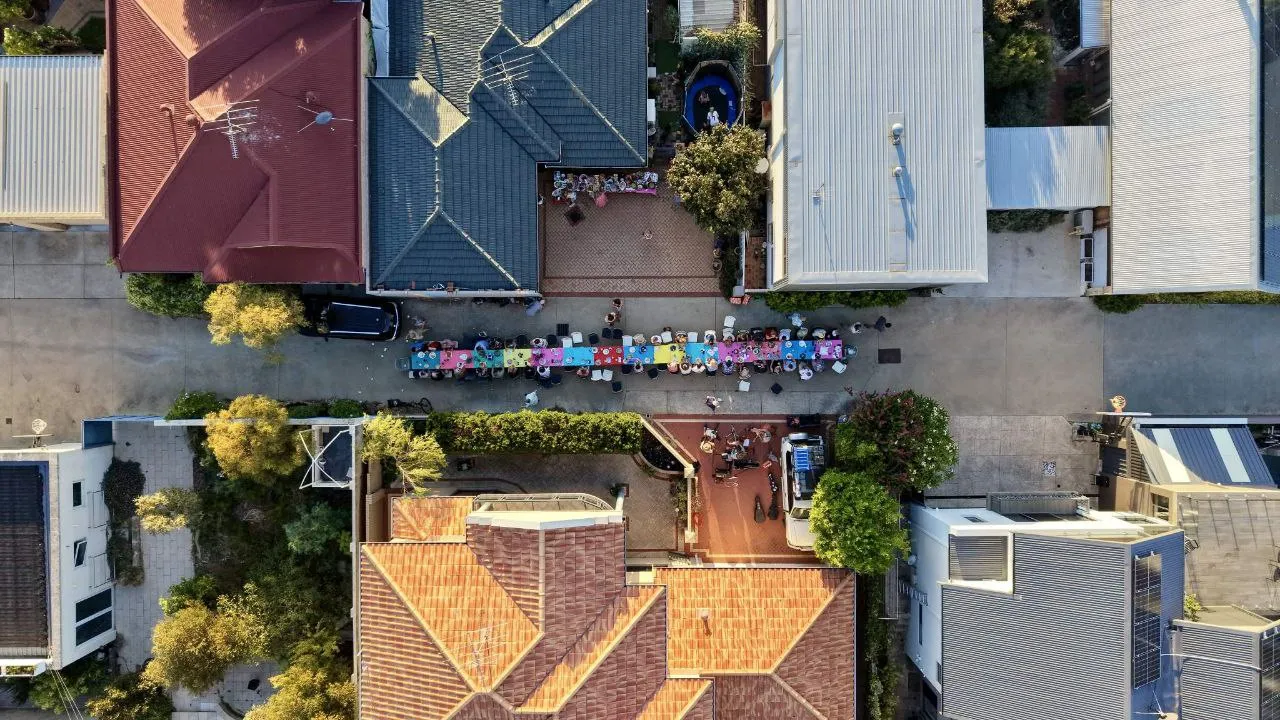
Most of us don't know our neighbors. The loneliness statistics are familiar by now. What's less familiar is where disconnection shows up first: the neighborhood, where the people living closest to us are often the people we know least.

The cost of loneliness isn't just personal. Decades of research show that when neighbors know and trust each other, streets get safer, health outcomes improve, and communities recover faster from disasters and hard times. Connection is the upstream input to social, health and wellness outcomes that cities and funders already spend heavily on downstream.

We believe neighbors can rebuild that connection themselves, with the right support. Our job is to teach the practical skills that make it happen.

A replicable model for turning neighborhoods into thriving communities

A replicable model for turning neighborhoods into thriving communities

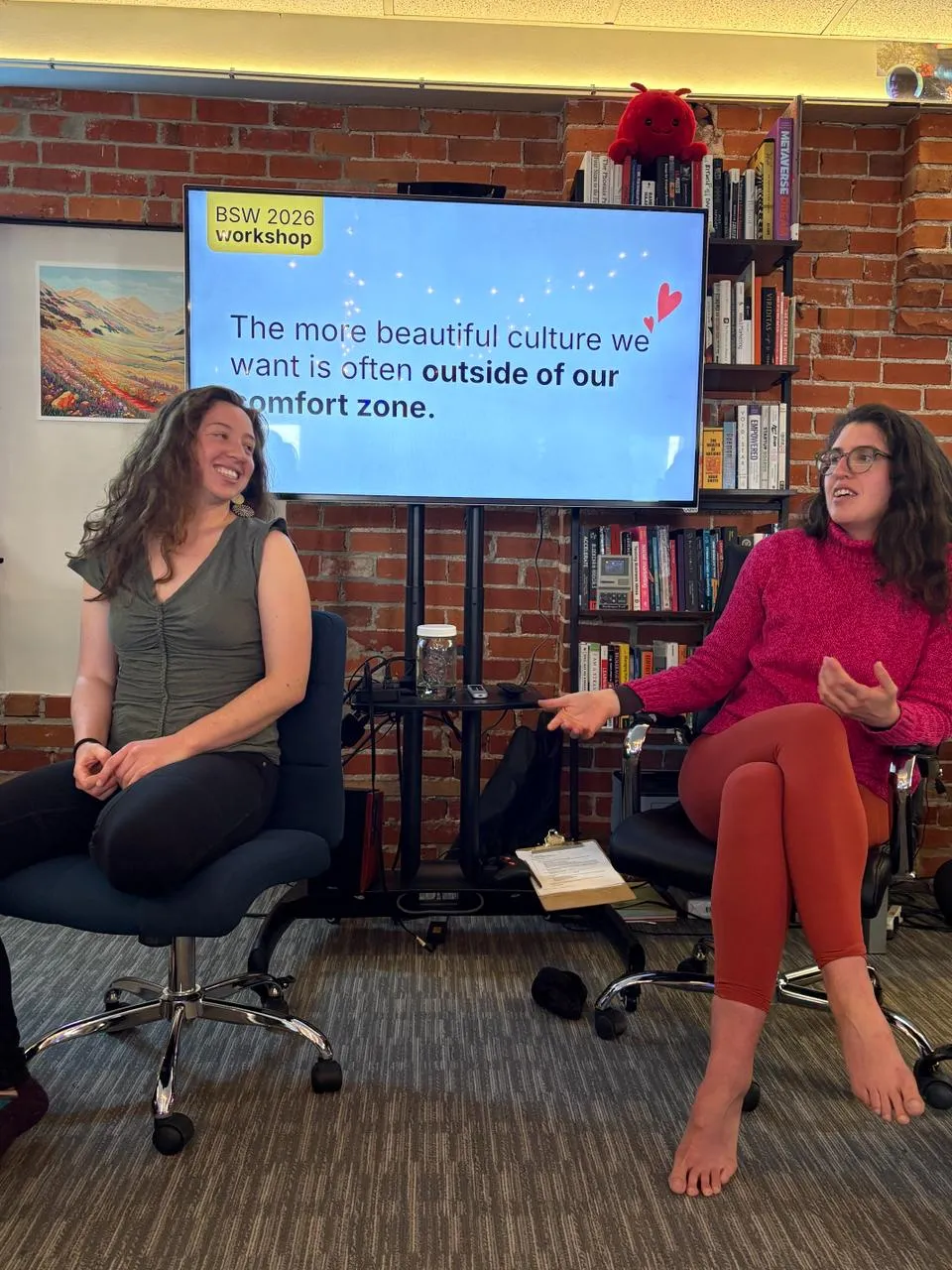
The Neighborhood Village Project trains everyday residents through a 6-month, free-for-participants program of weekly sessions, mentorship, and peer accountability. Participants practice the concrete skills of neighboring: knocking on doors, hosting gatherings, finding the neighbors who are already eager to help, and partnering with the people already bringing folks together.

Alongside these concrete actions, they do the relational work underneath: through study, roleplay, and real-world experience, they rebuild the social skills many feel are absent today and learn what it takes to build meaningful relationships with people who begin as strangers. The result is the recovered practice of building a village, one relationship at a time.

The Neighborhood Village Project trains everyday residents through a 6-month, free-for-participants program of weekly sessions, mentorship, and peer accountability. Participants practice the concrete skills of neighboring: knocking on doors, hosting gatherings, finding the neighbors who are already eager to help, and partnering with the people already bringing folks together.

Alongside these concrete actions, they do the relational work underneath: through study, roleplay, and real-world experience, they rebuild the social skills many feel are absent today and learn what it takes to build meaningful relationships with people who begin as strangers. The result is the recovered practice of building a village, one relationship at a time.

Since 2024 we've run seven cohorts and reached 163 neighborhoods across 10 countries.

The program is designed so that it doesn't depend on us, or on any one person. Participants don't just run projects; they learn what it takes to be a community builder, and they empower their neighbors to invest in their neighborhood together by sharing real responsibility. The goal is not a centralized and fragile hub-and-spoke model of connection, but a diverse and interconnected web. When the program ends, the participant stays, and so does the neighborhood they've woven.

The program is designed so that it doesn't depend on us, or on any one person. Participants don't just run projects; they learn what it takes to be a community builder, and they empower their neighbors to invest in their neighborhood together by sharing real responsibility. The goal is not a centralized and fragile hub-and-spoke model of connection, but a diverse and interconnected web. When the program ends, the participant stays, and so does the neighborhood they've woven.

Results from our neighborhoods

Results from our neighborhoods

Among neighborhoods that complete our program:

  • 84% report more spontaneous interactions between neighbors: sidewalk chats, front yard time

  • 77% report new friendships formed between neighbors

  • 65% report better communication through group chats and message boards

  • 56% report neighbors now check on and look out for one another

  • 49% report more sharing of tools, skills, food, and childcare

Here's an Example

Robert is a retired dad in Bishop, California, a politically divided town. When he invited his neighbors to a potluck, nobody came.

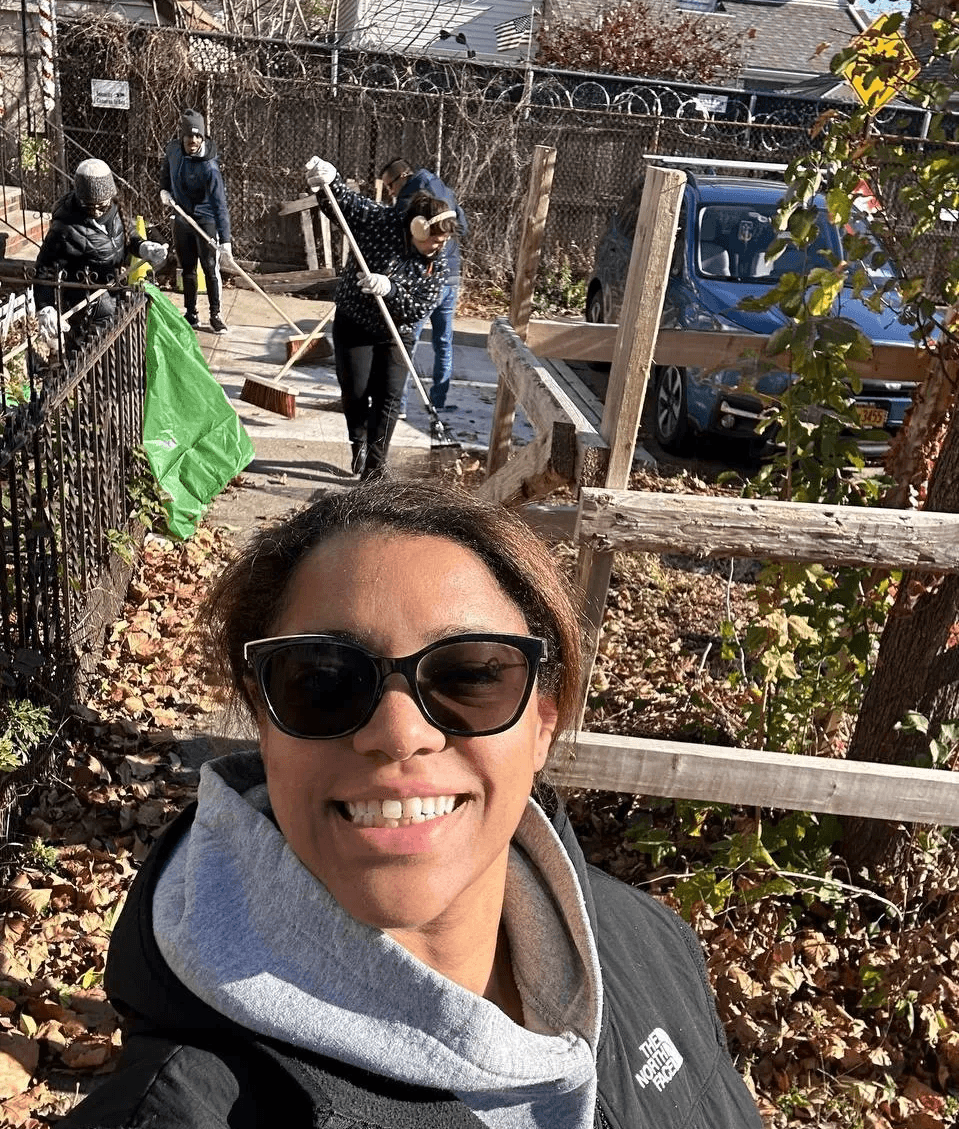
So he looked for the one thing every house shared: wildfire risk. He invited the same neighbors to a brush cleanup day instead, and together they hauled out four tons of brush and cleared a protective perimeter around their homes. That's wildfire mitigation a city would pay for, done by neighbors who supposedly couldn't be in the same room.

And when Robert asked who wanted to have dinner together after, pretty much everyone said yes.

Read stories from our neighborhoods ->

Cities are already funding this work

Cities are already funding this work

  • The Cities of Melville and Mandurah, Australia have sponsored NVP programs for their residents.

  • The Canning and Kwinana NVP cohorts begin in September 2026

  • The East Fremantle NVP cohort begins in January, 2027

  • In Colorado, the City of Arvada has committed to funding NVP programming for its residents.

City partnerships adapt the format to their community: our Australian partners run a ten-week course followed by monthly gatherings, and our stateside program runs a full six months, both with ongoing monthly support year round.

What your support builds

What your support builds

Our program is always free for participants. Cities, foundations, and donors carry the cost so that any resident can step up, regardless of means.

And the investment outlasts the program. Every graduate is a trained community builder who keeps working long after the program ends, connected to a global alumni network of peers.

Our program is always free for participants. Cities, foundations, and donors carry the cost so that any resident can step up, regardless of means.

And the investment outlasts the program. Every graduate is a trained community builder who keeps working long after the program ends, connected to a global alumni network of peers.

You're not funding an event. You're funding permanent civic infrastructure at a fraction of what cities spend on the problems disconnection creates.

Since 2024 we've put $243k of funding to work, growing from humble origins to teaching online in 10 countries with in-person programs in Perth, Australia and Colorado, USA, and reaching 163 neighborhoods along the way. We track every dollar, and our full funding history and cost model are available on request.

All donations are welcome and appreciated. Sponsorships can range from a single neighborhood to a full cohort of 30 or more. Reach out to August Elliott and we'll walk you through what your support makes possible.

Neighborhood Village Project is a Colorado Unincorporated Nonprofit Association, fiscally sponsored by Raft Foundation. Donations are tax-deductible.

Since 2024 we've put $243k of funding to work, growing from humble origins to teaching online in 10 countries with in-person programs in Perth, Australia and Colorado, USA, and reaching 163 neighborhoods along the way. We track every dollar, and our full funding history and cost model are available on request.

All donations are welcome and appreciated. Sponsorships can range from a single neighborhood to a full cohort of 30 or more. Reach out to August Elliott and we'll walk you through what your support makes possible.

Neighborhood Village Project is a Colorado Unincorporated Nonprofit Association, fiscally sponsored by Raft Foundation. Donations are tax-deductible.

Start a conversation

Start a conversation

If you're a funder, a city, or an organization interested in bringing this work to your community, we'd love to talk.

Our next programs run in Melville and Canning, Australia this September. In Spring 2027 we run cohorts globally online in US and EU time zones, alongside our in-person program in Boulder, Colorado. City and funder conversations for 2027 placements are open now.
August Elliott, Co-founder & Program Director
august@nvp.community